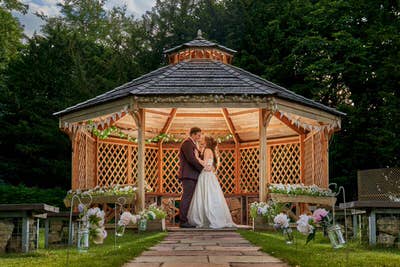
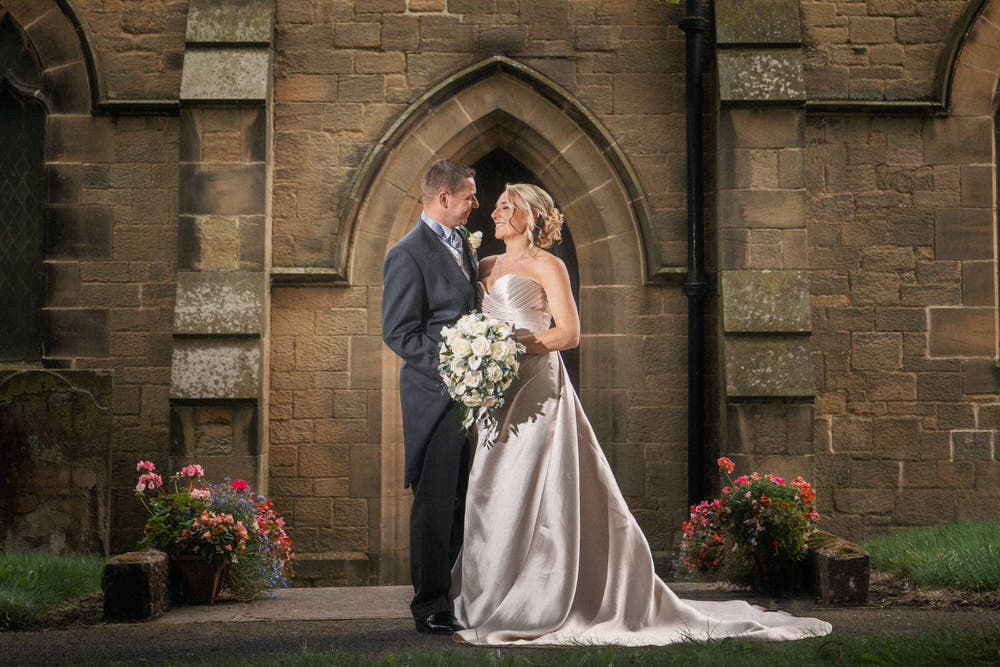
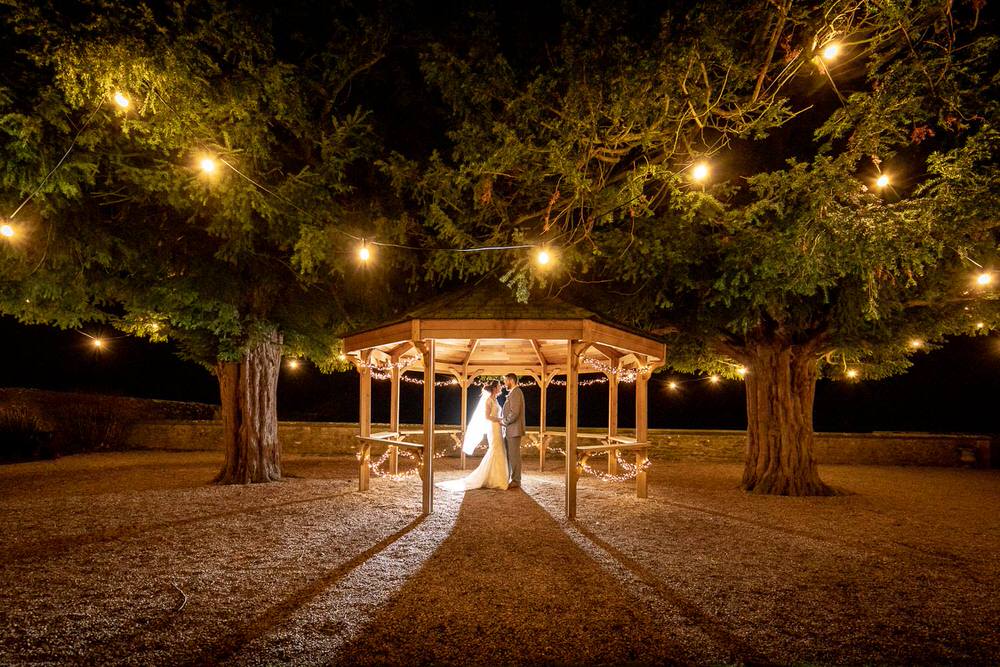
If you are planning your wedding, you will want to hire a professional Wedding Photographer to capture the moments. You will have only one day to get married and you want to enjoy every moment with your loved ones. The price of expensive equipment and fancy cameras isn't the most important thing about wedding photography. It is important to capture a wonderful story in photographs. You can read reviews of different photographers to find out how much they cost.
You have many options for how to capture your wedding. Here are a few things to keep in mind when selecting a photographer. Traditional wedding photography is a way to capture the ceremony and its guests in their traditional positions. It is an excellent choice for those who prefer the traditional look. But if you are looking for an artistic style, you can choose a photographer who can incorporate candid work into their portfolio. A wedding photographer may find this useful if they are trying to show emotion through their photographs.
You can also use natural lighting to lighten your subject matter if your ceremony is outside. Flash lighting is a good option for shots that don't have natural light. You need to make sure your subject is in the center of attention, and not too much lighting. The best lighting for natural lighting is during golden hours. Using harsh lights creates shadows that are unflattering and can create unwanted effects. You can mount flash lighting on your hot-shoe or camera bracket, or use a handheld unit.
To capture the ideal shot, a good wedding photographer must be able to offer additional guidance to clients. If possible, shoot in RAW for better editing flexibility. Make sure that your camera system is compatible with different lenses. It is also advisable to have backup cameras so you can cover unexpected situations. Always keep two cameras handy, one to capture portraits and another for any unexpected situations. If the wedding takes place in a rainy or foggy day, you should have a backup camera in case the situation becomes worse.
You can check out their portfolio to see if the photographer has a high standard. You should look at similar style photographs to yours. Reputable photographers will often have references from happy couples. You can reach these couples for more information. If your portfolio is not current, it's possible to call the photographers and request their references. Seek out feedback and testimonials from previous clients.
Next, read the entire contract. Find out how many hours the photographer will be required to cover the event. You should ask any questions in the contract. Clarify any details regarding cancellations, travel and print releases, as well as purchase requirements. Request samples of the work. Be sure to be happy with the cost, since it might end up costing you more than expected. Also, make sure you're comfortable with the photographer's style of shooting.
You want your wedding photographer to have an aesthetic that complements the theme of the entire wedding. You should see a variety of styles and approaches in the portfolio. You should also feel at ease with the photographer's personality. Do not hire your photographer if they aren't a good fit for you. You'll regret it later. And if you're looking for someone who can capture your wedding day with ease, consider hiring a professional.
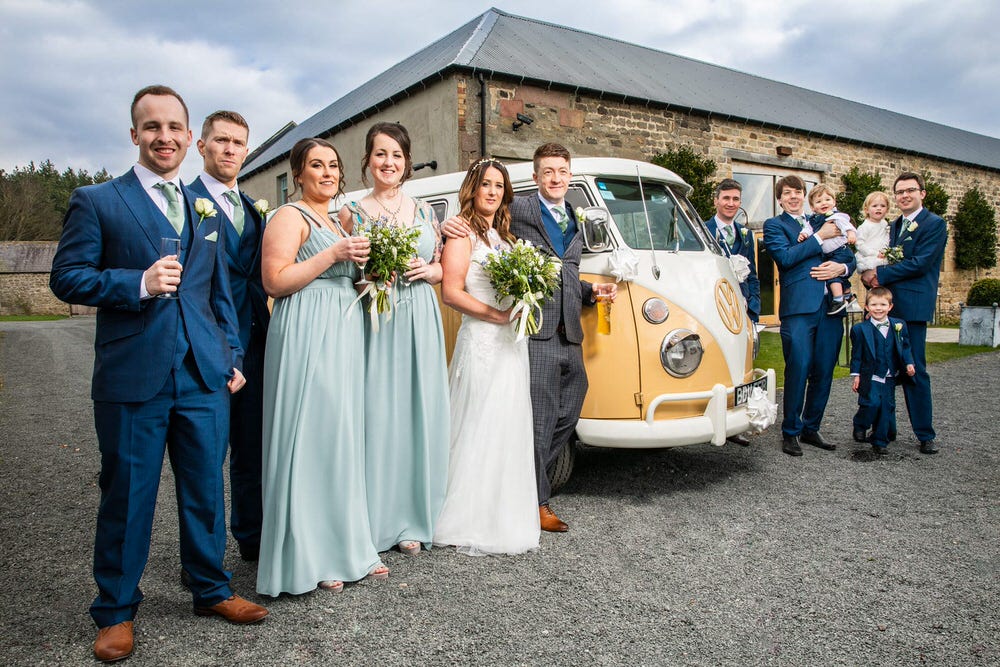
If you're thinking of hiring a wedding photographer but are unsure how much to pay, you'll need to know the average price per photo. Prices for wedding photographers vary depending on experience and where they are located. On average, a full-time photographer makes about £30,000 per year, largely going toward living expenses. If you need a photographer who can deliver high-quality prints and albums, expect to pay more.
As part of their photography services, many photographers offer prints, USB drives, albums and USB drives. It is also important to determine if printing rights are desired. There is often a markup, or a portion of the final product that some photographers charge for their services. It is also important to determine whether your wedding photographer sends you the final package via CD, DVD, online, or both. Many photographers offer physical proofs and high-quality images.
Many photographers prefer to pay in two- or three installments. The first payment secures the date for your wedding. The second payment is due before the wedding, and the third payment is divided between you and the photographer after the wedding. This makes it easier for both you and your photographer. You can then choose between la carte pricing or a complete-service package once you've agreed on the price. As your company grows, you can change the price at any time.
The wedding photographer is specialized in photographing the entire wedding process, starting from preparation through to reception. They also take photos of newlyweds. Portrait photography is another specialty of some photographers. A pre-wedding session is a form of engagement photography. Many wedding photographers offer their services at-location to ensure that your photos look as natural as possible. A wedding photographer will capture every special moment for the couple, from the bride's preparations to the final kiss.
Wedding photographers have many skills, from taking pictures to understand camera settings and posing. Wedding photographers can shoot either posed or candid images, and must know how to control shutter speed and aperture. It is also important to understand how to manage a wedding, and what the attendees expect. They must know how to stay calm and professional during stressful situations, such as an over-excited bride. They must also know how to frame group shots without making guests feel uncomfortable.
The equipment required by wedding photographers is vastly different from one another. Most wedding photographers use a mid-range camera that has dual memory card slots, a fast sensor and is equipped with a medium-range camera. A good photographer will usually have two to three hours for post-production. However, large weddings may need more equipment. You may also need a photo booth. Hire a professional wedding photographer with more lighting or video equipment, if you have the budget.
Before you settle on your wedding photographer, here are some things you should keep in mind. First, determine your budget range. Take a piece of your total wedding budget, and multiply it by 9.7%. If your budget is not clear, you can look into other wedding vendors or social media. After determining your budget, find a few photographers that have been recommended by family and friends.
The next step is to look for experience. Photography is not an exact science. You should look for people who have been around for a while. It's also important that they have a proven track record of success and have a high level of customer service. Talk to your prospective wedding photographer about your expectations and concerns so there are no surprises. Before making your final choice, consider your expectations and budget. Then, choose the photographer who's best suited for you.
Review. Because reviews can often be honest and genuine, it's an effective way to select a good wedding photographer. While many reviews show a photographer's stellar work, it's easy to overlook negative experiences with the photographer. In any case, it's crucial to contact past clients to find out whether they were happy with the service they received. While reviews tend to be unbiased, remember that they're also subjective, so a good photographer can have negative or positive feedback.
When you are satisfied with your shortlist, contact the photographers directly to discuss your specific needs. Most photographers will send you a link to their portfolio before your first meeting. Review the portfolio thoroughly and see whether the photographer has shot a wedding at your venue or not. If the photographer has no recent work, you might want to look elsewhere. You should make sure that you choose the right photographer for your style and requirements.
Request to view samples of actual weddings. Most wedding photographers share their most memorable images via social media. Because they often work with incredible vendors, their pictures may be unrepresentative of the real wedding. You can see actual wedding moments and verify that they are as professional as you think. It's possible to be surprised. It's worth hiring a professional wedding photographer who is passionate about their work and whom you can trust.
Once you have narrowed down your list to a few top choices, contact each of them to schedule a personal interview. Ask to see sample wedding albums and reception shots and decide if the photographer is a good fit. You should also consider the emotion that you wish your wedding photos to express. If the images are not natural and emotional, you may want to look for a different photographer. Many agencies rank and grade photographers according to the quality of their images.
A wedding is one of the most important days in a couple's life, and wedding photography is the best way to capture all the special moments of the day. Wedding photographers are experienced in making sure that every detail of the day is captured, from the bride's dress to the first dance. They understand how important it is to capture the emotions of the day, and they work hard to make sure that every photo is perfect. In addition, wedding photography can help couples to remember their wedding day for years to come. A good photographer will take natural-looking photos that capture the joy and excitement of the day, and these photos can be cherished for a lifetime.
A wedding is a joyous occasion that celebrates the love and commitment of two people. But why do people get married? For many, marriage is seen as a natural step in a relationship. It formalizes the commitment that two people have made to each other and provides a legal framework for their relationship. Marriage also confers a number of practical benefits, such as financial stability andelope a strong emotional bond. In addition, marriage can provide couples with a sense of social support and belonging. For all these reasons, marriage is an important institution in many cultures around the world.
A wedding day is typically divided into two parts: the ceremony and the reception. The ceremony is usually when the bride and groom exchange their vows and are pronounced husband and wife. The reception is the party afterwards, where the couple is congratulated by their guests. During the reception, there is often music, dancing, and speeches from friends and family members. As the evening draws to a close, the bride and groom often share a dance, before cutting their wedding cake and heading off to their honeymoon. While every wedding day is different, these are some of the most common traditions that take place.