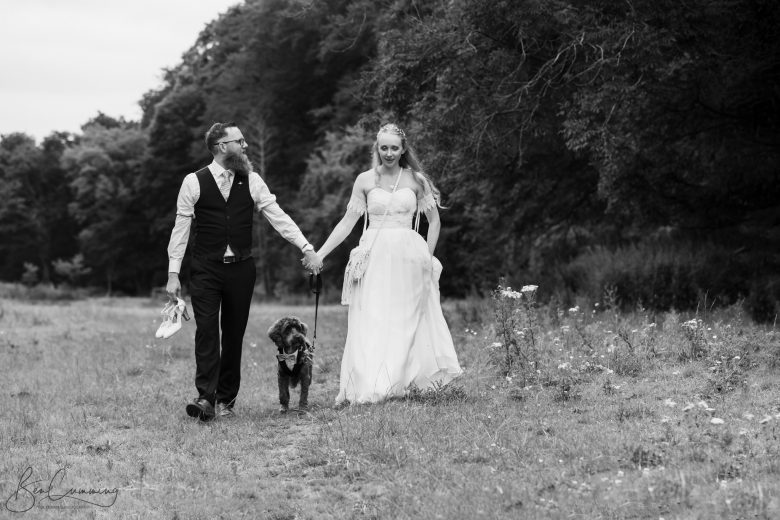
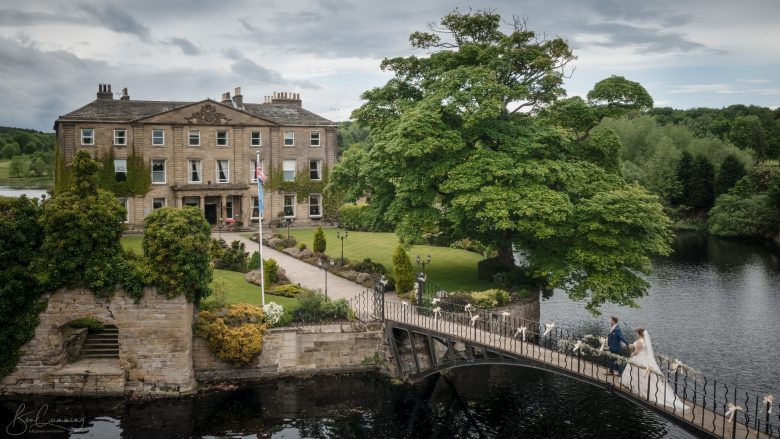
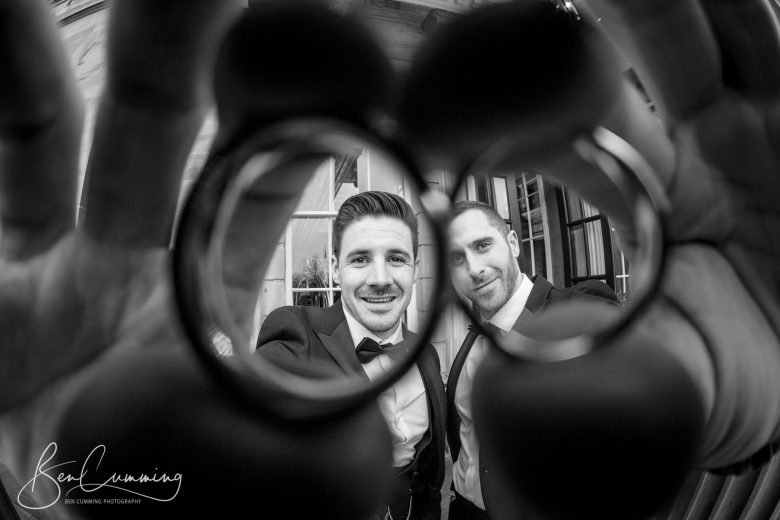
The job of a wedding photographer involves documenting a couple's love story from the moment they get engaged to the day of their reception. Photographers who are skilled at spotting patterns and telling compelling stories through beautiful images are the best. The photos should help the client relive the experience and connect with the wedding day long after the wedding. The wedding photographer should capture the bride and groom as well as the details of the ceremony and the moods of the guests.
A wedding photographer's job is to capture fleeting moments and rare expressions. These special moments must be captured by the photographer. Because weddings are a happy, emotional event, the photographer must be able to latch on to these spontaneous moments. With practice, a wedding photographer will be able to predict spontaneous outbursts that can be recorded in the family's history.
There are many wedding photographers. This is why it is important to understand what you are looking for in a wedding photographer. Fine-art photographers focus on creating artistic photographs and often use post-production techniques to enhance their images. They can anticipate moments and use different poses to create compositions that are beautiful and artistic. They can also use objects and props to create a more artistic look. Wedding photographers can also offer black and white images.
Lighting is all about how to make the most of the available light. Good lighting is key to good results. Make sure you have scouted the area before you go. A flashlight can ruin the mood and distract your guests. A reflector can be used without the need for a flash to model available light. You can create a variety effects by using both artificial and natural light. Here are some tips to help you get started.
It is important to invest in quality cameras. Wedding photography requires a high-quality camera. There are two options: mirrorless or DSLR cameras. You want a camera that has fast shutter speeds and reliable autofocus. You should also consider purchasing a variety lenses. For group shots, wide-angle zooms are ideal while macro lenses can be used for close-ups. Make sure to try different lenses before the big day. You can also edit photos later in Photoshop to improve the quality.
Learn how to work with your photographer. You'll quickly learn the ways of the wedding party. This is crucial if you want to capture candid moments or special expressions. Photographers should be familiar with the personalities of the couple and their specific needs. You'll gain more experience and be able to anticipate candid moments and outpourings. Wedding photography can be stressful.
It is important to research before you hire a wedding photographer. You should also consider the experience and personality the photographer has. You should also consider the style and cost of the photographer. Check out their portfolio before hiring a wedding photographer. A website is a sign that the photographer lacks professionalism and experience. You can also ask for references.
Look out for a consistent style while looking through the portfolios. Some photographers are more documentary. Others use fine art techniques. You should also look at the overall approach of the photographer to wedding photography. Take some time to look at their portfolios and social media feeds to get an idea of what you want. You want to choose a photographer that you love!
Next, speak to past clients. A photographer with a good reputation will have a list if references. These previous clients can be contacted to learn how they felt about working with the photographer. Next, request a sample of their wedding album and testimonials. Also, make sure to check the rates and affordability of the photographer. Finally, check if the photographer has any specialties.
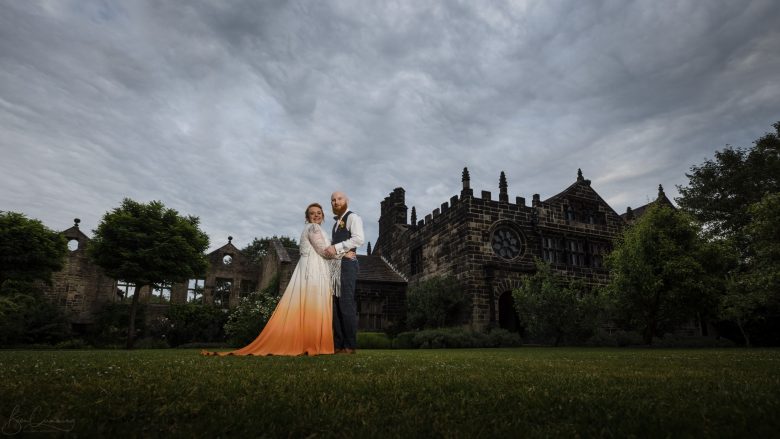
The cost of hiring a wedding photographer varies greatly. The work of a wedding photographer includes editing and post production. Post-production takes skills and time that can transform a photograph. Wedding photographers charge more than just the hours they spend on the wedding day, as they also have to pay for equipment. Prices for packages can vary depending on where the wedding is taking place, the experience level of the photographer, and other factors.
Before you meet a potential wedding photographer, create a list of the shots you would like to have taken. Be sure to include both traditional shots as well as unique, artistic shots. Bring examples of photos from other weddings and photographers you like. Images from your favorite movies may help you decide which photographer to hire. Book the photographer at least six months in advance of the wedding. A wedding photographer will usually charge a retainer fee and the rest of the payment shortly before the wedding.
Some photographers offer packages with six to eight hours of coverage. If your wedding is large, you can ask for a second photographer. However, a second photographer will cost more than a single photographer. Their services will cost you an additional $25-50 per hour. This is an average salary range for a wedding photographer in a major city. However, wedding photographers charge their assistants separately. Wedding photographers are also guests and should be fed well. Happy people make better photographers.
This list ranks the most popular wedding photographers of the UK based on their work. The Top 20 list is updated every two months and is based on the number of awards each photographer has won in the Excellence Awards competition. Each of these photographers produces consistently the best images and has a strong collection. Here are the top 20 state photographers. Check out the list to see if these wedding photographers have been recommended by others. If they are, then they must be very talented.
The first step in hiring a top rated wedding photographer is to figure out your budget range. Do some research to find out the average cost of wedding photography, how long a photographer has been in business, and what types of images they take. After narrowing down your choices, meet with several photographers. Ask about their work history and cancellation policies. Look at their work samples to decide whether you like their style.
Take photos that were taken in the same lighting as the one at your reception. You can then ask the photographer how they handle shooting in dim light situations. While some photographers may use external lights to light the venue, others may rely on their camera's ability to adjust exposure settings when shooting in dark conditions. Ask the photographer about their experience with shooting weddings in dark environments. This could indicate that they aren't comfortable shooting in dim lighting.
Your wedding photos are among the most precious keepsakes. A professional photographer should capture your most special moments with style. Not only will you share the pictures with your family and friends, but you'll also look back on them in years to come. However, hiring the right photographer for your wedding is not an easy task. Here are a few things to consider when hiring a top rated wedding photographer.
Once you've narrowed down your list to a few contenders, you need to begin your search for the best wedding photographer. You should first research the different styles of wedding photography. Next, narrow down your selection to those that best suit your style. Once you've narrowed down your options to a handful of photographers, contact them to arrange a personal interview. Also, ask for samples of their work. Consider the emotional impact of each photograph and the naturalness, as well as the naturalness, of the subjects.
Once you have narrowed down your search, it's now time to interview them. Then, decide which photographer you'd like to work with. If you're not comfortable speaking the photographer's language, don't hire them. If the photographer is not familiar with the local area, you can ask for references. Ask if they have ever shot at your venue.
A portfolio shows the photographer's ability in different lighting conditions. Wedding photographers are often not able to control the time of day they photograph. They must be flexible and able to adapt to these conditions. This includes using natural light and artificial lighting, as well as directing people to move to another location to take a specific shot. It's essential that the photographer is familiar with lighting conditions in different situations.